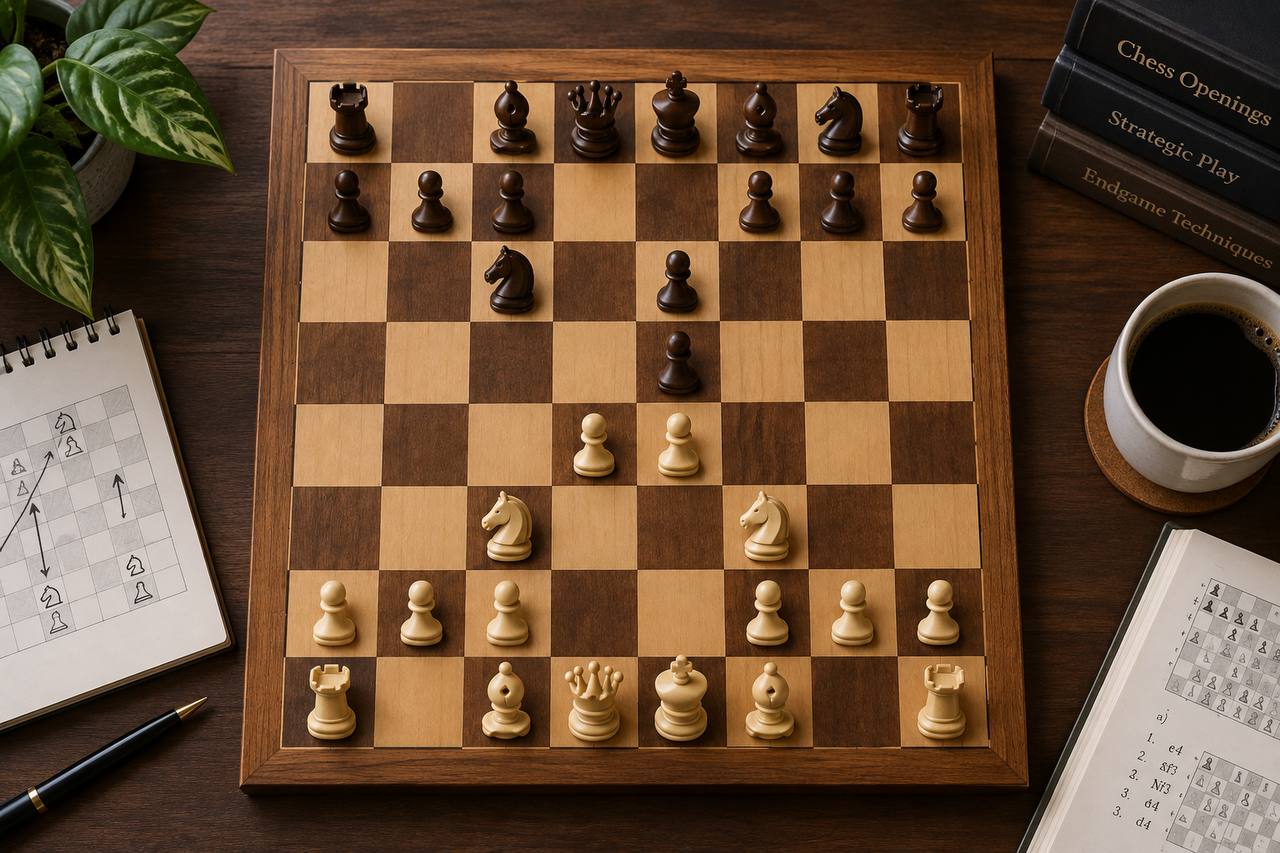
The first few moves of a chess game often determine the entire flow of the match. While grandmasters study deep theoretical lines, casual players frequently encounter early traps that punish careless development. Understanding how these traps work helps players recognize threats before their position collapses.
Board control begins long before any pieces are captured. Controlling the central squares allows pieces to move freely while restricting the opponent's options. When players ignore central development to chase early piece captures, they often fall victim to classic tactical ambushes.
What Casual Opening Traps Really Mean
An opening trap is not usually a magical sequence that forces a win from nowhere. Instead, it is a punishment for violating fundamental opening principles, such as moving the same piece twice, neglecting king safety, or failing to fight for the center. Recognizing these patterns helps shift casual play toward structured strategy.
Solid board control relies on coordinated minor pieces and safe central squares rather than reckless early attacks.
Why Early Board Control Matters
When you secure central squares with pawns and active knights or bishops, your opponent faces restricted movement. Without adequate space, their defensive pieces get jammed behind friendly pawns. This lack of mobility makes it difficult to defend against sudden threats or coordinate a counter-attack.
Common Early-Game Missteps
Recognizing Tactical Patterns in the Opening
Many casual traps exploit exposed pieces or weak squares near the enemy king. For instance, launching an uncoordinated attack often leaves specific squares undefended. Learning to spot these structural weaknesses allows players to parry threats and turn the initiative in their favor.
Establishing a Balanced Opening Approach
Developing a reliable opening routine does not require memorizing twenty moves of theory. Focus instead on sound principles: control the center, develop knights before bishops, castle early to secure the king, and avoid moving the same piece twice when other pieces remain asleep.